


 99
99 
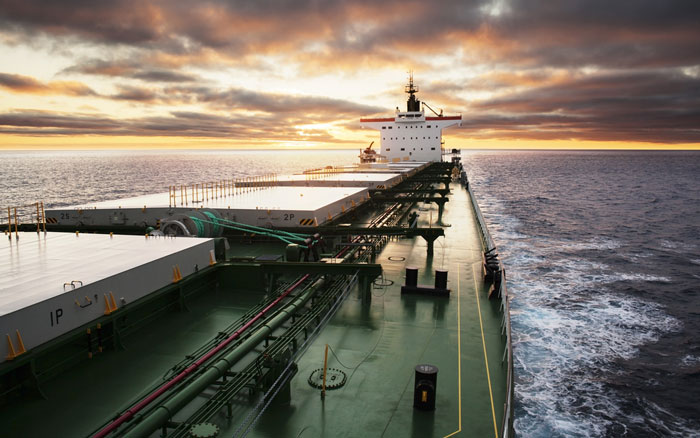 Anchoring is as frequent operation on board as loading and unloading a cargo.
But in spite of being a frequent operation, the number of incidents related to anchoring never seem to reduce.
That is when many minor incidents never come to light to a wider audience.
The truth is that even after being a routine operation, effective way of anchoring is not a child's play.
Sure one can just somehow arrive at anchoring position and open the brake to anchor a ship. I am sure you would agree that it is not an effective way of anchoring. Don't you think so?
In this post, let us discuss a practical way of anchoring.
But before we do that, we need to discuss two things. First how an anchor holds the ship. And second what guarantees more holding power of anchor.
1. How an anchor holds the ship
When an anchor is dropped, The crown of the anchor is the first to hit the sea bottom. As the ship moves back, the flukes take its position and embed itself into the seabed.
It does not matter from what height the anchor is dropped, the crown will alway hit the bottom first. The flukes will only dig into the seabed once the ship moves aft and flukes are facing downwards into the sea bottom.
As the ship moves back, the fluke takes its position and embed itself into the seabed.
Anchoring is as frequent operation on board as loading and unloading a cargo.
But in spite of being a frequent operation, the number of incidents related to anchoring never seem to reduce.
That is when many minor incidents never come to light to a wider audience.
The truth is that even after being a routine operation, effective way of anchoring is not a child's play.
Sure one can just somehow arrive at anchoring position and open the brake to anchor a ship. I am sure you would agree that it is not an effective way of anchoring. Don't you think so?
In this post, let us discuss a practical way of anchoring.
But before we do that, we need to discuss two things. First how an anchor holds the ship. And second what guarantees more holding power of anchor.
1. How an anchor holds the ship
When an anchor is dropped, The crown of the anchor is the first to hit the sea bottom. As the ship moves back, the flukes take its position and embed itself into the seabed.
It does not matter from what height the anchor is dropped, the crown will alway hit the bottom first. The flukes will only dig into the seabed once the ship moves aft and flukes are facing downwards into the sea bottom.
As the ship moves back, the fluke takes its position and embed itself into the seabed.
Join now to access this article and much more.
Admin has placed this article behind a paywall, making it accessible only with a paid membership, which offers numerous perks:
- Contribute to creating a platform for reading and writing without ads.
- Enjoy all content here, including exclusive articles for members.
- Gain access to all exclusive articles for members.





Comments (99)