


 10
10 
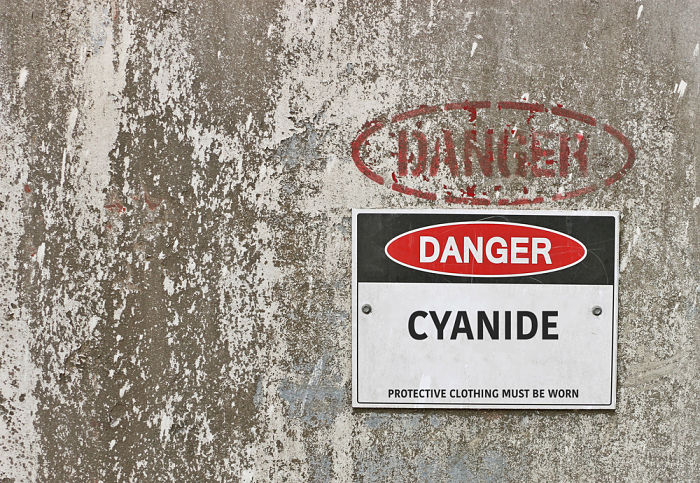 TDI is the short form for the toluene Di isocyanate. Loading, carrying, and discharging this cargo is not a child's play. And there is a reason that I say this.
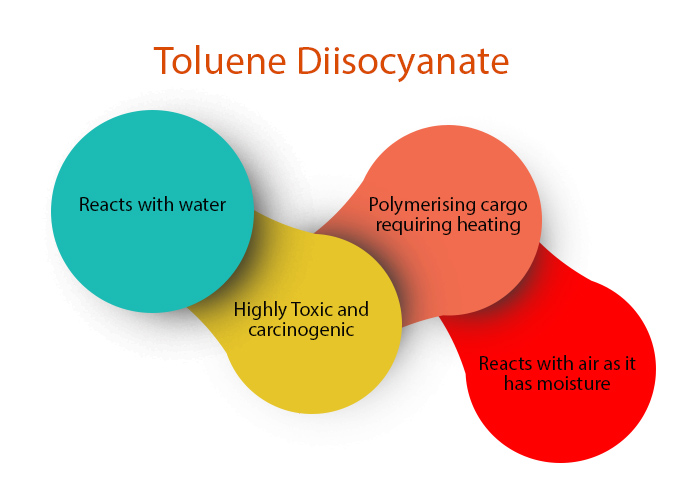
TDI reacts with moisture and water. It comes under cyanide group of cargoes and is highly toxic. It can ingest through the skin. And not the physical contact but even its vapors can ingest through the skin.
And after all these, TDI may require heating as its melting point is high. So many dangerous elements in one cargo and that's why it is important to handle it carefully.
TDI is the short form for the toluene Di isocyanate. Loading, carrying, and discharging this cargo is not a child's play. And there is a reason that I say this.
TDI reacts with moisture and water. It comes under cyanide group of cargoes and is highly toxic. It can ingest through the skin. And not the physical contact but even its vapors can ingest through the skin.
And after all these, TDI may require heating as its melting point is high. So many dangerous elements in one cargo and that's why it is important to handle it carefully.
 But in spite of being so dangerous, there are hardly any cargo-specific guidelines for carrying this cargo on ships. There are some extensive guidelines for handling TDI ashore but not for carrying onboard ships.
So I am hoping this guide can fill that gap. Let's begin our voyage to carry TDI on board a chemical tanker. Let's embark on a journey from loading and discharging a cargo of TDI.
Receiving Voyage orders
On receiving voyage orders to carry TDI onboard, the first thing to check is if we can carry this. By that I mean if the ship is designed to carry th...
But in spite of being so dangerous, there are hardly any cargo-specific guidelines for carrying this cargo on ships. There are some extensive guidelines for handling TDI ashore but not for carrying onboard ships.
So I am hoping this guide can fill that gap. Let's begin our voyage to carry TDI on board a chemical tanker. Let's embark on a journey from loading and discharging a cargo of TDI.
Receiving Voyage orders
On receiving voyage orders to carry TDI onboard, the first thing to check is if we can carry this. By that I mean if the ship is designed to carry th...
Join now to access this article and much more.
Admin has placed this article behind a paywall, making it accessible only with a paid membership, which offers numerous perks:
- Contribute to creating a platform for reading and writing without ads.
- Enjoy all content here, including exclusive articles for members.
- Gain access to all exclusive articles for members.

About Capt Rajeev Jassal
Capt. Rajeev Jassal has sailed for over 24 years mainly on crude oil, product and chemical tankers. He holds MBA in shipping & Logistics degree from London. He has done extensive research on quantitatively measuring Safety culture onboard and safety climate ashore which he believes is the most important element for safer shipping.




Comments (10)