


 0
0 
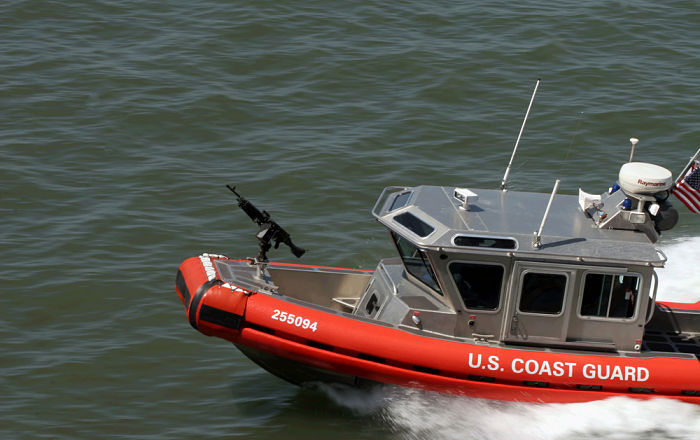 ENOA/D stands for “electronic Notice of arrival and Departure”. Both US coast guard (USCG) and “Custom & boarder protection (CBP)” require the vessels to notify them of their arrivals and departure from the US ports. ENOA/D fulfils the Arrival and departure requirements of both USCG as well as CBP.
Who is required to submit eNOAD
As per 33 CFR 160.212(3)
Except as set out in paragraph (a)(2) of section 160.212 of 33 CFR, all vessels scheduled to arrive at any U.S. port or any port in a U.S. territory, must submit electronic Notification of Arrival/Departure (e-NOA/Ds)
What all reports are to be sent
First Arrival notice is to sent before entry into the first US port of the voyage. Subsequently Arrival notice is to be sent before each arrival to the US port. The Departure report is to be sent for last port in US. So if vessel is arriving from a foreign port to US, arrival notice is to be sent every time for each US port but the departure report is to be sent only for the last US port before finally leaving US port for a port outside US.
How these reports are to be sent
There are three ways of submitting these reports
Through the internet, if you have internet onboard. This can be submitted by visiting https://enoad.nvmc.uscg.gov.
Through the Microsoft infopath which is usually integrated by your onboard email pr...
ENOA/D stands for “electronic Notice of arrival and Departure”. Both US coast guard (USCG) and “Custom & boarder protection (CBP)” require the vessels to notify them of their arrivals and departure from the US ports. ENOA/D fulfils the Arrival and departure requirements of both USCG as well as CBP.
Who is required to submit eNOAD
As per 33 CFR 160.212(3)
Except as set out in paragraph (a)(2) of section 160.212 of 33 CFR, all vessels scheduled to arrive at any U.S. port or any port in a U.S. territory, must submit electronic Notification of Arrival/Departure (e-NOA/Ds)
What all reports are to be sent
First Arrival notice is to sent before entry into the first US port of the voyage. Subsequently Arrival notice is to be sent before each arrival to the US port. The Departure report is to be sent for last port in US. So if vessel is arriving from a foreign port to US, arrival notice is to be sent every time for each US port but the departure report is to be sent only for the last US port before finally leaving US port for a port outside US.
How these reports are to be sent
There are three ways of submitting these reports
Through the internet, if you have internet onboard. This can be submitted by visiting https://enoad.nvmc.uscg.gov.
Through the Microsoft infopath which is usually integrated by your onboard email pr...
Join now to access this article and much more.
Admin has placed this article behind a paywall, making it accessible only with a paid membership, which offers numerous perks:
- Contribute to creating a platform for reading and writing without ads.
- Enjoy all content here, including exclusive articles for members.
- Gain access to all exclusive articles for members.

About Capt Rajeev Jassal
Capt. Rajeev Jassal has sailed for over 24 years mainly on crude oil, product and chemical tankers. He holds MBA in shipping & Logistics degree from London. He has done extensive research on quantitatively measuring Safety culture onboard and safety climate ashore which he believes is the most important element for safer shipping.








Comments (0)